WATER
Water is a colorless, odorless, and tasteless liquid that is essential for all forms of life.
Physical properties of water
It is colorless,odorless,and tasteless.It is transparent.
It takes the shape of it’s container.
It dissolves many substances and called universal solvent.
It exists in three states of matter. i.e solid, gases,liquid state.
Examples of water bodies.
Lake ,Wells,Boreholes,
Rivers,Streams,etc..
Uses of water.
These include;
For washing.
Cooling machines in industries.
For irrigation.
For cooking.
Components of water.
Hydrogen (H) Water contains two hydrogen atoms.
Hydrogen is a colorless, odorless gas.
Oxygen (O) Water contains one oxygen atom.
Oxygen is also a colorless, odorless gas that supports life.
These atoms combine chemically to form water (H₂O).
Effects of water pollution.
1.Death of fish and other aquatic animals.
2.Spread of waterborne diseases.
3.Unsafe drinking water.
4.Bad smell and unpleasant appearance of water.
5.Destruction of aquatic ecosystems.
6.Reduced water available for domestic, agricultural, and industrial use.
Diseases caused by water pollution.
Cholera Caused by bacteria in contaminated water.
Symptoms include severe diarrhea, vomiting, and dehydration.
Typhoid fever Spread by drinking water or eating food contaminated with bacteria.
Symptoms include high fever, stomach pain, headache, and weakness.
Dysentery Caused by bacteria or parasites in polluted water.
Symptoms include diarrhea (sometimes with blood), stomach cramps, and fever.
Ways of preventing water pollution.
Treat sewage before releasing it into rivers.
Dispose of waste properly.
Reduce the use of harmful chemicals.
Plant trees to reduce soil erosion.
Avoid dumping rubbish into water bodies.
Use environmentally friendly farming methods.
Clean up oil spills quickly.
Educate communities about protecting water resources.
Water pollution
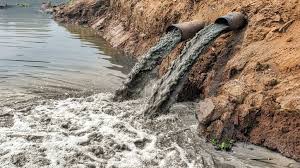
Water pollution occurs when harmful substances such as chemicals, sewage, plastics, or waste contaminate water, making it unsafe for people, animals, and plants.
Causes of water pollution.
- Factories release chemicals, oils, and toxic substances into rivers and lakes.
- Untreated sewage from homes and towns can enter water bodies.
- Oil from ships, pipelines, or drilling accidents spreads over the surface of water.
- Heavy rains wash soil into rivers and lakes.
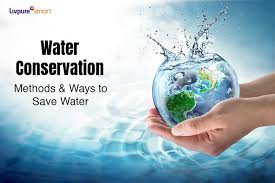
Water Conservation
- Water conservation is the careful and wise use of water to avoid wastage and ensure that enough clean water is available for present and future generations.
Every drop of water counts—save it today for a better tomorrow.Water is life.
Protect it, conserve it, and use it wisely.
Saving water today ensures enough for future generations.
Clean water is everyone’s responsibility.
Conserve water, protect nature, and support life.
Water is life.
Watch, Read And Implement
With teamwork we can make it.
Don’t waste water; every drop has value.
Together, we can keep our rivers, lakes, and streams clean and valuable .